
Culture & Heritage
47 officially recognized tribes, centuries of Swahili coastal trade, and a capital city with a culture all its own — the people side of a trip that's usually sold on the wildlife alone.
47 Tribes, One Kenya
Some older guidebooks still say 42 tribes, or 44. They're out of date — the Kenya National Bureau of Statistics recognizes 47 officially, grouped roughly into Bantu, Nilotic, and Cushitic language families, each carrying its own customs, dress, food, and worldview.
A Kikuyu farmer from the highlands around Nyeri and a Swahili fisherman from Lamu might as well be from different planets culturally — different language, different faith, different relationship to land and sea entirely. Even communities that look alike to an outsider often aren't: the Maasai and Samburu share pastoral traditions and a similar silhouette in beadwork and dress, but mix the two up in conversation and you'll get a polite, firm correction. They are related, not the same.
That diversity is the point of this page — a look at the cultures, heritage sites, and everyday life that sit alongside the wildlife, for travelers who want their trip to include people as much as animals.
Kikuyu
Central Highlands (Nyeri, Murang'a, Kiambu)
Kenya's largest community by population — highland farmers historically, with deep ties to Mount Kenya as a sacred landmark.
Maasai
Southern Rift Valley (Maasai Mara, Amboseli)
Semi-nomadic pastoralists known for beadwork, age-set warrior traditions, and the adumu jumping dance — the most photographed culture on the safari circuit.
Samburu
Northern Rift Valley (Samburu County)
Close cousins of the Maasai in language and pastoral lifestyle, but a distinct people with their own dress, rites, and territory around the arid north.
Luo
Nyanza, around Lake Victoria
A lake and fishing culture rather than a cattle culture, with its own music tradition — benga — built around the nyatiti, an eight-stringed lyre.
Swahili
Coast (Lamu, Mombasa, Malindi)
Centuries of Indian Ocean trade with Arabia, Persia, and India produced Swahili language, cuisine, and Stone Town architecture found nowhere else in Kenya.
Kalenjin
Western Rift Valley highlands
Highland communities whose name is now shorthand worldwide for distance-running dominance, from Eldoret's training camps to Olympic podiums.
Luhya
Western Kenya
Actually an umbrella of related sub-groups rather than one tribe, known for the isukuti drum dance performed at weddings and harvest festivals.
Turkana
Northwest, around Lake Turkana
One of Kenya's most distinct dress traditions — striking beaded collars and lip plugs — shaped by one of the harshest, driest landscapes in the country.
Where the History Lives
From fossil halls to 16th-century forts, these stops can be woven into most itineraries — usually a half-day near Nairobi or the coast rather than a detour.
Nairobi National Museum
Nairobi
The country's flagship collection — Kenyan history, contemporary art, and the paleontological finds (including early hominid fossils) that put the Rift Valley on the map of human origins.
Karen Blixen Museum
Karen, Nairobi
The farmhouse behind Out of Africa, kept largely as it was — a window into colonial-era coffee farming on the edge of the Ngong Hills.
Bomas of Kenya
Langata, Nairobi
A living-village showcase of traditional homesteads from Kenya's major communities, with daily dance and drumming performances — the fastest single-afternoon introduction to the country's cultural range.
Fort Jesus
Mombasa
A 16th-century Portuguese fort and UNESCO World Heritage Site guarding Mombasa's Old Town harbor — changed hands between Portuguese, Omani, and British control over four centuries.
Lamu Museum & Old Town
Lamu Island
East Africa's oldest continuously inhabited Swahili settlement, UNESCO-listed, with carved wooden doors, coral-stone architecture, and no cars — donkeys and dhows still do the work.
Nairobi Railway Museum
Nairobi
The story of the 'Lunatic Express,' the colonial-era railway that founded Nairobi as a supply depot and shaped the country's early 20th-century history.
The Matatu
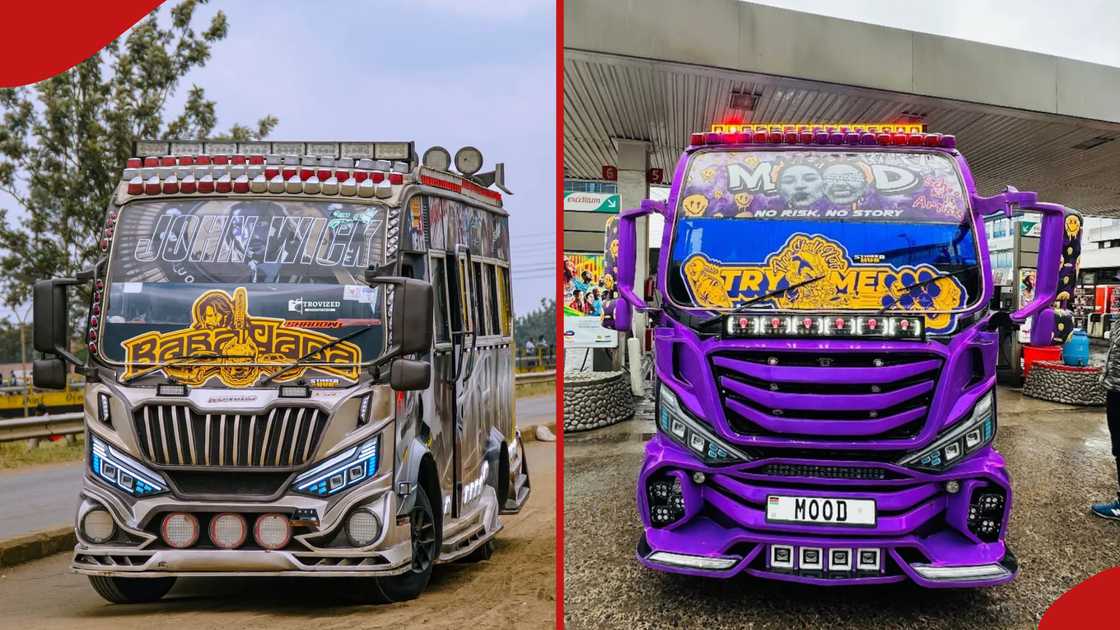
No visitor forgets their first matatu. Nairobi's privately owned minibus taxis, each one a rolling canvas of airbrushed murals, LED lighting rigs, and sound systems loud enough to be felt through the floor. Graffiti-style portraits of musicians, footballers, and pop icons compete for space with scripture verses and hand-painted slogans.
It's more than decoration; matatu culture has its own economy of crews, artists, and DJs, and its own slang (Sheng, the Nairobi street language that mixes Swahili, English, and half a dozen other tongues). Riding one, even for a short stretch, is as much a cultural experience as any museum stop.
Swahili Culture
Swahili culture grew out of a thousand years of Indian Ocean trade; Bantu Africans, Arab and Persian merchants, and later Indian and Portuguese traders all left a mark on the coast's language, food, and architecture. Swahili itself, now Kenya's second official language, carries hundreds of Arabic loanwords as a direct record of that history.
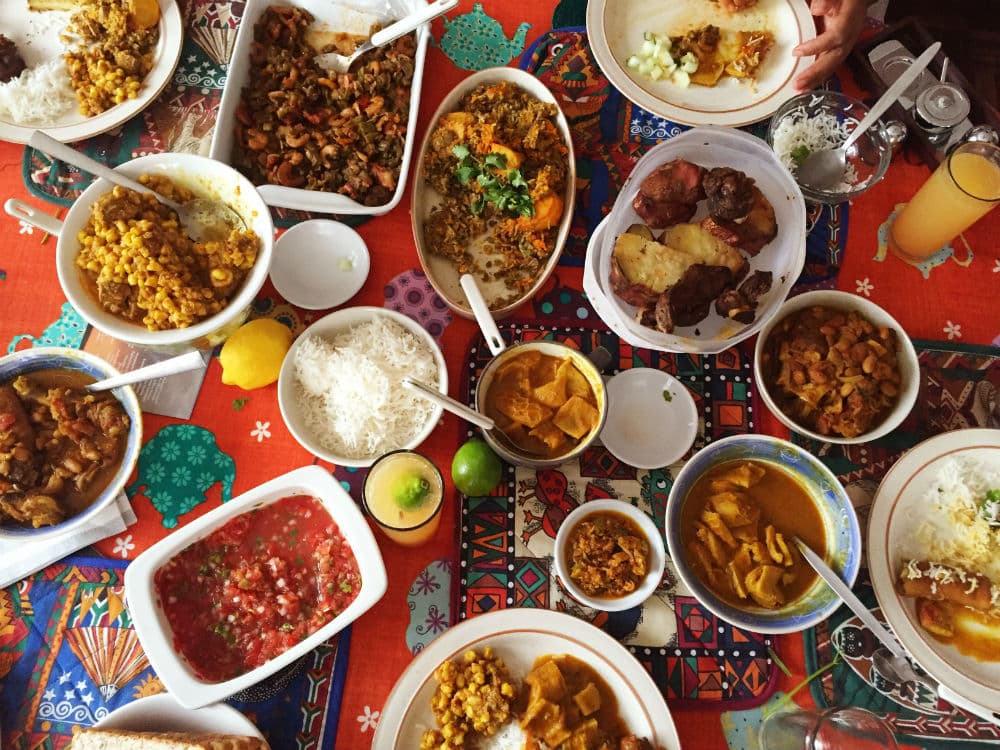
It shows up in coral-stone buildings with carved wooden doors in Lamu and Mombasa's Old Town, in coconut- and spice-forward cooking (biryani, pilau, coconut fish curry), in the call to prayer drifting over the harbor, and in taarab music; poetic, orchestral, closer to Arabic maqam than to anything inland.
Not Just Tourist Sites — Missions That Matter
Some of the most meaningful days on a Kenya trip aren't in a national park. On request, we build in visits and contributions to the communities your route already passes through.
Children's Home Visits
Guided, respectful visits to partner children's homes near your safari route — bringing supplies, spending time, and supporting programs that run year-round, not just when tourists are in town.
Goodwill Donations
Point-of-need contributions — school supplies, medical basics, clothing — coordinated with local partners so donations reach the community your itinerary actually passes through.
Borehole Sinking Projects
Clean water access remains one of the biggest needs in Kenya's drier northern and southern communities. Guests can contribute to, or in some cases visit, active borehole projects that give a village reliable water for the first time.
School Partnerships
Ongoing relationships with rural schools near our lodge partners — from classroom materials to longer-term infrastructure support, built to outlast any single trip.
What's On, Beyond the Game Drive
A handful of Kenya's calendar fixtures pull in a genuinely local crowd, not just visitors — a good way to spend a day in Nairobi between safari legs.
Ngong Racecourse
Nairobi
Kenya's home of horse racing since the colonial era — Sunday race days on the edge of the Ngong Hills draw a lively, all-ages Nairobi crowd, food stalls, and a genuinely local (not staged-for-tourists) afternoon out.
Safari Sevens Rugby
Nairobi
Kenya's leg of the World Rugby Sevens circuit turns Nairobi into a festival for a weekend — costumes, music, and international teams, and one of the most popular events on the calendar for visiting fans.
Lamu Cultural Festival
Lamu Island
An annual celebration of Swahili heritage on the island — dhow races, poetry, henna, and traditional dance through Lamu's UNESCO-listed Old Town streets.
Maralal Camel Derby
Maralal, Samburu County
A dusty, good-humored annual camel race in Kenya's north, open to amateur and local riders alike — one of the more offbeat events on the safari-adjacent calendar.